Home / the making
The Bag’s Journey
A house built on, passion, focus, patience and unimaginable hard work
worldwide delivery · 1 YEAR FREE atelier repairs
We buy only full-grain hides from two European tanneries, vegetable-tanned over six weeks. No sanding, no correction — the grain you see is the animal's own.
Each hide is read by hand before a blade touches it. Panels are placed to avoid stretch, so the bag keeps its posture years after the first season.
Two needles, one waxed thread, locked at every hole. It cannot unravel if cut — a machine seam can.
Edges are sanded through four grits, sealed, then burnished with beeswax until they hold light like polished wood.
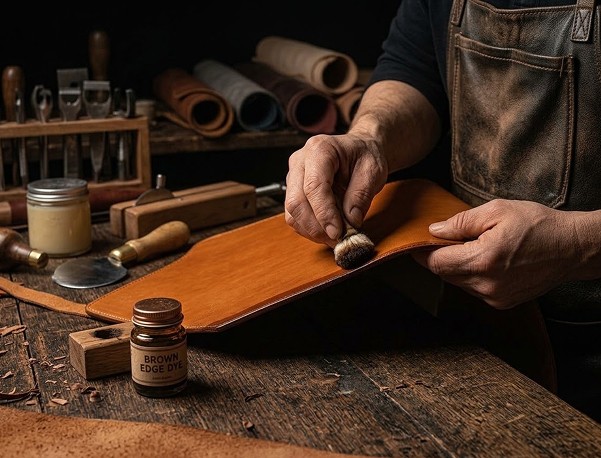
Vegetable-tanned leather is made to evolve. With time, sunlight, touch, and everyday use, its natural surface gradually deepens in colour, developing a richer, warmer tone and a character that is entirely its own. This gentle darkening—known as patina—is not a flaw or sign of wear; it is the story of the leather unfolding. Every touch, journey, and moment leaves a subtle trace, making each piece more personal and unique. We embrace this transformation because we believe beautiful leather shouldn’t stay untouched—it should become more beautiful as it becomes yours.
Send any Burlington piece back to the atelier at any point in its life. We restitch, re-edge and re-plate hardware at no charge — because the most sustainable bag is the one you never replace.
shop the collection
Leather goods made in small runs, in one atelier, for the women who keep them for decades.


